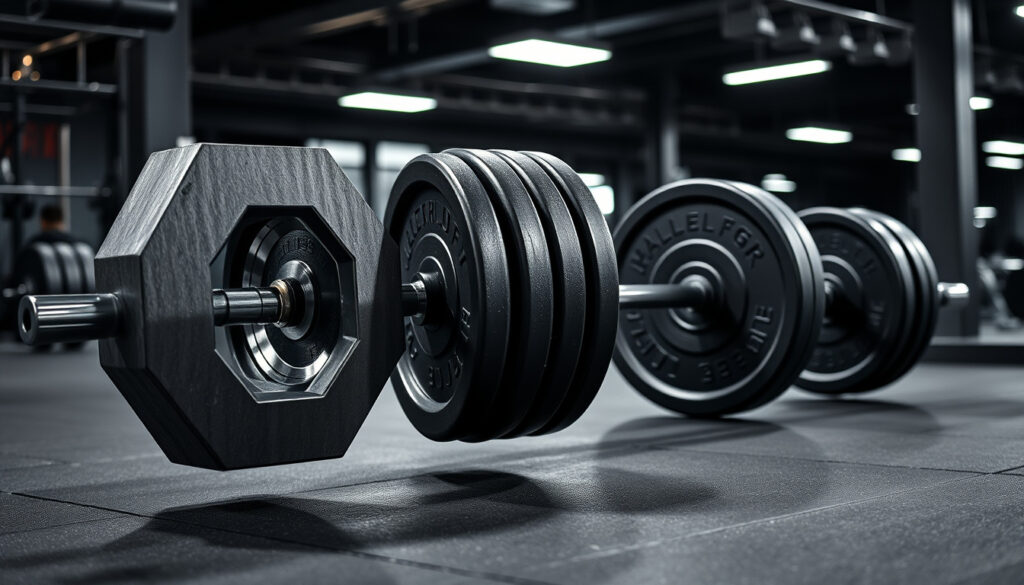
Trap Bar Deadlift – Muscles Worked, Benefits Vs Conventional
The trap bar deadlift has gained significant traction in strength training circles, offering a distinct mechanical advantage over its conventional counterpart. Also known as the hex bar deadlift, this exercise allows lifters to position themselves inside the bar rather than behind it, creating a more upright torso position and neutral grip that fundamentally alters muscle recruitment patterns.
Originally developed to address limitations in traditional deadlift mechanics, the trap bar has become a staple for athletes, powerlifters, and general fitness enthusiasts alike. Research published in the National Center for Biotechnology Information indicates that the unique positioning reduces spinal shear forces while simultaneously allowing for heavier loads to be lifted safely.
This guide examines the muscles activated during the trap bar deadlift, compares it directly against conventional deadlift variations, explores alternatives for those without specialized equipment, and provides practical guidance on weight selection suitable for various fitness levels.
What Muscles Does the Trap Bar Deadlift Work?
Trap bar deadlifts engage a comprehensive array of muscle groups across the posterior chain and lower body. The exercise recruits the quadriceps, glutes, hamstrings, erector spinae, trapezius, lats, core, and forearms, though the emphasis differs notably from conventional deadlift variations. The more upright torso position during the trap bar variation places greater demand on the quadriceps through increased knee flexion and extension mechanics.
The centered load position allows the spine to maintain a more neutral alignment throughout the movement, reducing compressive forces on the lower back while still providing substantial posterior chain activation.
Electromyography studies have quantified muscle activation differences between trap bar and conventional deadlifts. The quadriceps demonstrate approximately 20% higher activation during trap bar variations, while the upper traps show roughly 10% increased engagement compared to conventional pulling patterns.
Primary Muscle Activation Overview
The major muscle groups involved in the trap bar deadlift include:
- Quadriceps: Serve as a primary driver through increased knee extension mechanics in the upright position
- Glutes: Heavily recruited during hip extension and often more effectively targeted due to improved postural alignment
- Hamstrings: Assist with hip extension and stabilization, though with 10-15% less activation than conventional deadlifts
- Erector spinae: Stabilize the spine throughout the movement with reduced stress compared to conventional variations
- Upper back and traps: Support shoulder positioning and weight carriage, with upper traps showing ~10% greater activation
- Core and forearms: Provide postural stability and grip strength throughout the movement
Muscle Emphasis Comparison
| Muscle Group | Trap Bar Emphasis | Conventional Emphasis |
|---|---|---|
| Quadriceps | Higher (+20%) | Lower |
| Hamstrings | Moderate | Higher (+15%) |
| Glutes | High | High |
| Lower Back | Moderate (less stress) | Higher (+12%) |
| Upper Back/Traps | Higher (+10%) | Moderate (lats +8%) |
The glutes maintain substantial involvement across both variations, making either exercise effective for posterior chain development. However, the shift in quad-hamstring balance makes the trap bar particularly valuable for individuals seeking to address posterior chain dominance or develop more balanced leg development.
What Are the Benefits of the Trap Bar Deadlift?
The trap bar deadlift offers several distinct advantages that have contributed to its growing popularity in both rehabilitation and performance training contexts. These benefits stem from the mechanical differences created by the hexagonal design and the lifter’s position within the bar.
Reduced Lower Back Stress
One of the most significant advantages of the trap bar deadlift is the reduced stress placed on the lumbar spine. The more upright torso angle decreases shear forces on the lower back by approximately 10-15% compared to conventional deadlifts. According to research compiled by Stronger By Science, this makes the exercise particularly suitable for beginners learning proper movement patterns or individuals recovering from back issues.
While the trap bar reduces back stress, proper form remains essential. Lifters should maintain a neutral spine throughout the movement and avoid rounding the lower back, particularly when handling heavier loads.
Increased Load Capacity
The balanced load distribution around the body allows lifters to handle 5-10% more weight compared to conventional deadlift maximums. This increased capacity provides greater mechanical advantage for strength development and can be particularly beneficial for athletes focusing on power output or those seeking progressive overload at faster rates.
Improved Posture and Upper Back Development
The neutral grip position inside the bar encourages better shoulder engagement and upper back activation. This promotes improved postural awareness and stronger scapular positioning, which can translate to better performance in other pulling movements and reduced shoulder fatigue during training cycles.
Versatility Across Training Goals
Trap bars with adjustable handle positions offer additional customization options. High-handle configurations provide greater accessibility and quad emphasis, while low-handle setups increase hamstring recruitment for those prioritizing posterior chain development.
Trap Bar Deadlift vs Conventional Deadlift
Understanding the mechanical and muscular differences between trap bar and conventional deadlift variations helps athletes and coaches make informed programming decisions based on specific training objectives.
Mechanical Differences
The primary distinction lies in the lifter’s position relative to the load. Conventional deadlifts position the bar in front of the body, requiring the lifter to maintain a more forward-leaning torso and bend at the hips. Trap bar variations allow the lifter to stand inside the hexagonal frame, creating a more centralized center of gravity and reduced forward lean.
The grip position also differs significantly. Conventional deadlifts typically employ a double overhand or mixed grip, which can create asymmetrical loading on the upper back and biceps. Trap bar deadlifts utilize a neutral grip with palms facing the body, distributing tension more evenly across the shoulders and reducing bicep involvement.
Training Application Considerations
According to exercise specialists at Muscle and Strength, the choice between variations should reflect specific training goals. Conventional deadlifts excel for individuals prioritizing pure posterior chain development, competitive powerlifting preparation, or maximum hamstring and erector spinae loading. Trap bar variations suit those seeking balanced lower body development, improved quad strength, or reduced injury risk during high-volume training blocks.
Both variations can coexist within a comprehensive training program. Many lifters alternate between trap bar and conventional deadlifts across training cycles to develop complementary strength qualities and prevent movement pattern stagnation.
Muscle Activation Priorities
EMG analysis reveals distinct activation priorities between the two variations. Conventional deadlifts place approximately 15% greater demand on the hamstrings, 12% more on the erector spinae, and 8% more on the lats. Trap bar deadlifts compensate with 20% greater quad activation and 10% increased upper trap engagement.
Trap Bar Deadlift Alternatives
For individuals without access to specialized equipment, several alternatives can replicate key movement patterns and training stimuli associated with trap bar deadlifts. These alternatives vary in equipment requirements, skill demand, and muscle emphasis.
Barbell-Based Alternatives
Conventional barbell deadlifts with modified technique can approximate some benefits of trap bar variations. Focusing on maintaining a more upright torso and engaging the quadriceps more actively during the leg drive can shift muscle emphasis toward the quad-dominant pattern characteristic of trap bar work.
Dumbbell and Single-Leg Variations
Dumbbell deadlifts and single-leg (split stance) variations offer practical alternatives when hex bars are unavailable. These movements emphasize unilateral stability and can identify and address strength imbalances between limbs. According to strength and conditioning research, single-leg variations particularly target the hip abductors and stabilizers that receive less emphasis during bilateral pulling movements.
Squat-Based Alternatives
Back squats and front squats provide quad-dominant alternatives that share movement mechanics with trap bar deadlifts. The knee-dominant positioning in trap bar variations parallels squat movement patterns, making both exercises complementary for developing leg strength across different load vectors.
How Much Weight Should You Use for Trap Bar Deadlift?
Weight selection for trap bar deadlifts depends on several factors including training experience, movement proficiency, individual strength levels, and specific training objectives. Understanding these variables helps prevent both underloading, which limits progressive adaptation, and overloading, which increases injury risk.
Starting Points and Progressive Loading
Beginners should establish proficiency with the movement pattern before loading significantly. A practical starting point involves performing trap bar deadlifts with approximately 50-70% of conventional deadlift maximum, allowing focus on technique refinement while building confidence in the movement. Research indicates that most individuals can safely lift 5-10% more weight on trap bar variations compared to conventional maximums, though this varies based on individual leverages and training history.
Individual Factors Affecting Load Selection
Several individual factors influence appropriate weight selection. Training experience with hip-hinging movements, current strength levels, body proportions, and limb length all affect optimal loading. Individuals with longer torsos and shorter arms may find trap bar variations particularly advantageous, as the reduced range of motion decreases technical demands.
For those seeking specific loading guidance, resources from ExRx provide exercise-specific programming recommendations and technique standards that can inform load selection decisions.
What We Know and What Remains Unclear
While trap bar deadlifts have been extensively studied, certain aspects of optimal programming and individual response remain subjects of ongoing research.
Established Information
- The trap bar design creates a more upright torso position and neutral grip
- Quadriceps activation is approximately 20% higher than conventional deadlifts
- Lower back shear forces are reduced by 10-15% compared to conventional variations
- Most lifters can handle 5-10% more total load on trap bar variations
- The exercise effectively targets glutes, hamstrings, erector spinae, and upper back
- Adjustable handle positions allow customization of muscle emphasis
Information Requiring Further Research
- Optimal periodization strategies specifically for trap bar deadlifts
- Long-term injury prevention data comparing trap bar to conventional training
- Sport-specific transfer and performance outcomes for various athletic populations
- Individual response variability based on anthropometric characteristics
- Optimal volume recommendations for trap bar-specific training blocks
The Role of Trap Bar Deadlifts in Comprehensive Training
The trap bar deadlift occupies a unique position within strength training programming, offering mechanical advantages that complement rather than replace conventional deadlift variations. The exercise’s reduced spinal stress makes it suitable for inclusion across various training phases, from foundational strength building to competition preparation.
Athletes seeking explosive power development particularly benefit from trap bar variations, as the ability to handle heavier loads while maintaining an upright position supports force production that translates to athletic performance. The quad emphasis also addresses common imbalances in athletes who have developed significant posterior chain dominance through traditional pulling patterns.
For recreational fitness enthusiasts, the trap bar deadlift provides a joint-friendly entry point to hip-hinging movements while building foundational strength applicable to daily activities and general fitness goals. The reduced technical complexity compared to conventional deadlifts also decreases the learning curve, allowing for earlier implementation of loaded hip-hinging patterns.
Expert Perspectives and Research Sources
Current strength and conditioning literature supports the inclusion of trap bar deadlifts in comprehensive training programs. Research from peer-reviewed sources indicates that the exercise provides a safe and effective method for developing lower body strength while minimizing lumbar stress.
Trap bar deadlifts allow for more flexibility in programming while maintaining safety advantages over conventional variations for most lifters.
— Stronger By Science, “Trap Bar Deadlifts”
Exercise science organizations including the National Strength and Conditioning Association recognize trap bar deadlifts as valid alternatives for developing hip extension strength when individual circumstances warrant modified loading strategies. The neutral grip and centered load position provide practical benefits for lifters ranging from rehabilitation clients to competitive strength athletes.
Summary and Practical Recommendations
The trap bar deadlift represents a versatile hip-hinging movement that offers distinct advantages over conventional deadlift variations. Key benefits include reduced lower back stress, increased quad activation, greater load capacity, and improved accessibility for lifters across experience levels. The exercise effectively targets the quadriceps, glutes, hamstrings, erector spinae, and upper back while maintaining manageable technical demands.
Lifters should select between trap bar and conventional deadlifts based on specific training goals, with trap bar variations particularly suited for quad emphasis, back safety, and power development objectives. Those without access to specialized equipment can utilize dumbbell variations and modified barbell techniques to approximate similar training stimuli.
For additional guidance on related movements, see our coverage of the Wallabies vs Argentina 2024 international rugby fixtures or explore training approaches discussed in our Melbourne Marathon 2025 preparation resources.
Frequently Asked Questions
Can trap bar deadlifts replace conventional deadlifts in my program?
Trap bar deadlifts can partially replace conventional variations depending on training goals. For quad emphasis and back safety, trap bars excel. However, conventional deadlifts remain superior for pure posterior chain development. Many programs include both variations for comprehensive development.
Are trap bar deadlifts better for beginners?
Yes, the more upright position and reduced technical complexity make trap bar deadlifts more accessible for beginners learning hip-hinging patterns while maintaining joint-friendly mechanics.
What muscles does the trap bar deadlift work compared to squats?
Trap bar deadlifts engage similar muscles to squats (quads, glutes) plus additional posterior chain activation (hamstrings, erector spinae, lats). The hip-hinge pattern emphasizes the posterior chain more than traditional squat variations.
How much heavier can I lift with a trap bar compared to conventional deadlift?
Most individuals can lift approximately 5-10% more weight using a trap bar compared to their conventional deadlift maximum, due to the more balanced load distribution and favorable leverages.
Can trap bar deadlifts help with back pain?
The reduced spinal shear forces (10-15% less than conventional) make trap bar deadlifts generally more joint-friendly for individuals with back sensitivity. However, those with existing back conditions should consult healthcare professionals before resuming heavy lifting.
What’s the difference between high and low handle trap bars?
High handles provide greater accessibility and quad emphasis with reduced hamstring demand. Low handles increase hamstring recruitment and more closely simulate conventional deadlift mechanics while maintaining the neutral grip advantage.
Do trap bar deadlifts build grip strength effectively?
Yes, the neutral grip position and substantial loads handled during trap bar deadlifts provide meaningful grip strength development, particularly for the forearm flexors and finger extensors involved in maintaining bar control.
More related posts
 WTC Share Price – Live ASX Quote, Charts and Analysis
 Ali France: Biography of the Labor MP for Dickson
 Tanya Plibersek Biography: Age, Husband, Education & Net Worth
 Ruby Rose: health, partner, biography & career timeline
 Google in 1998 – Founding Facts and Key Milestones
 Where to Watch The Pitt – Max, Hulu and Free Options
 Jamie Foxx: Stroke, Family Secrets, and $150M Career
 Oscar Piastri: Family, Salary, Sisters & Net Worth (2025)
