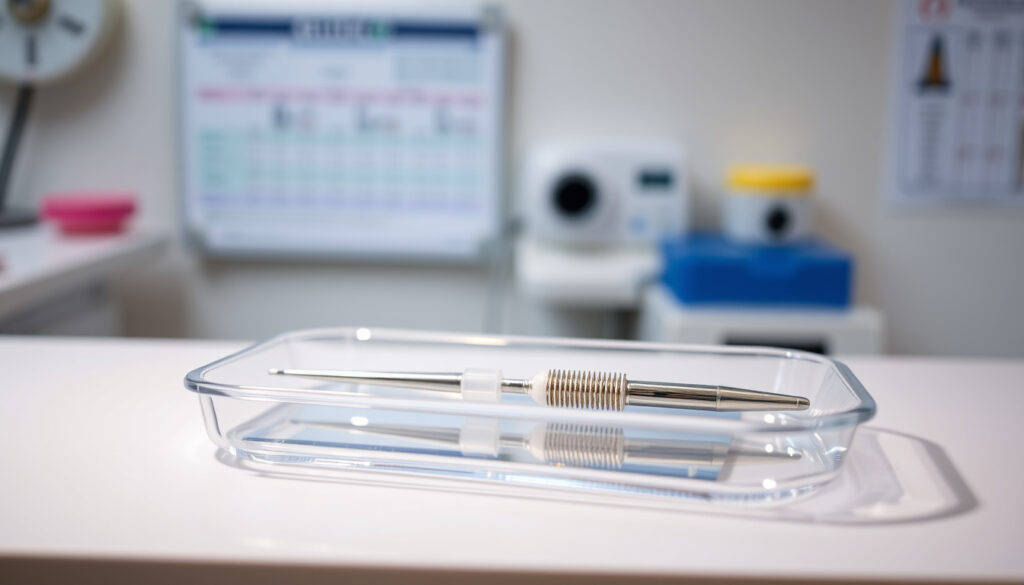
Cervical Screening Test: What It Includes, Pain, Frequency & More
Few medical appointments spark as many questions as the cervical screening test. If you’re due for one in Ireland, you might be wondering what’s changed since the old “smear test” days — and what actually happens during those few minutes in the doctor’s room. Here’s what the current evidence and official guidance say, from the HPV-first approach to the practical booking details.
Age range for screening in Ireland: 25 to 65 years ·
Screening interval (normal result): Every 3 to 5 years ·
Primary test method: HPV test ·
Cost under CervicalCheck (Ireland): Free for eligible women
Quick snapshot
- The test uses HPV testing as the primary screening method (CervicalCheck, Ireland’s national screening programme).
- Cervical screening is free for eligible women in Ireland through CervicalCheck (HSE, Health Service Executive).
- Screening can detect pre-cancerous changes before symptoms appear (IFPA, Irish Family Planning Association).
- Exact pain level compared between speculum types (no large controlled studies).
- Whether self-sampling will be introduced in Ireland in the near future.
- Precise reduction in cervical cancer incidence and mortality from screening (estimates vary across populations).
- 2020: CervicalCheck switches to HPV primary screening (CervicalCheck).
- Northern Ireland introduced primary HPV screening in December 2023 (HSC Public Health Agency).
- Self-sampling pilots are being evaluated internationally; Ireland may follow. (HSC Public Health Agency)
Here are the key facts at a glance:
| Attribute | Details |
|---|---|
| Screening test name in Ireland | Cervical screening test (part of CervicalCheck) |
| Primary screening method | HPV test |
| Cytology performed | Only if HPV detected |
| Test frequency (normal result) | Every 3 years (25–29), every 5 years (30–65) |
| Cost to patient | Free for eligible women in Ireland |
| Duration of appointment | About 10 minutes (test itself ~5 minutes) |
What does a cervical screening test include?
Switching to HPV primary screening means the same sample does two jobs — and the first job (HPV detection) catches nearly all cervical cancers before they start. That’s why the HSE and CervicalCheck have moved away from the old Pap-only approach.
HPV test as the primary step
- The lab first checks the sample for high-risk types of HPV. If none are found, the result is negative and you go back to routine screening (HSE, Ireland’s public health service).
Cytology (liquid-based) if HPV is found
- If HPV is detected, the same sample is examined for abnormal cell changes. This is called cytology, often referred to as the “smear” part (HSE, Ireland’s public health service).
- The National Cancer Institute (U.S.) confirms that HPV testing is more sensitive than Pap testing alone for detecting pre-cancerous changes (National Cancer Institute (NCI)).
Procedure steps: speculum, brush, sample
- You lie on a bed with your knees bent. A speculum is gently inserted to open the vaginal walls (HSE).
- A soft brush collects cells from the surface of the cervix. The sample is placed into liquid and sent to a lab (HSE).
- The whole appointment usually takes about 15 minutes; the cell collection itself is about 30 seconds (HSE).
Bottom line: The cervical screening test is first and foremost an HPV test. Only if HPV is found does it look for abnormal cells — a shift that catches more pre-cancers earlier. For women in Ireland, this test is free and takes just a few minutes at a GP surgery.
What is the difference between a Pap smear and a cervical test?
Pap smear: cytology only
- A traditional Pap smear looked only for abnormal cells under a microscope. It did not test for the virus that causes the cell changes (National Cancer Institute (NCI)).
Cervical screening test: HPV primary
- The current test in Ireland and many other countries starts with HPV detection. Only if HPV is present does the lab examine cells. This is called “HPV primary screening” (CervicalCheck, Ireland’s national screening programme).
- The National Cancer Institute (NCI) states that HPV testing is more sensitive and can detect pre-cancer earlier than cytology alone (National Cancer Institute (NCI)).
Why the change matters
- HPV causes more than 99% of cervical cancers, so testing for the virus itself allows earlier intervention and longer intervals between screenings (IFPA, Irish Family Planning Association).
- Women who are HPV-negative can safely wait 3–5 years for their next test, reducing unnecessary procedures (HSC Public Health Agency).
Two screening methods, one key difference. Here’s how they compare:
| Aspect | Traditional Pap smear | Current cervical screening test |
|---|---|---|
| Primary analyte | Cervical cells (cytology) | High-risk HPV DNA |
| Sensitivity for CIN2+ | About 50–70% | About 90% (HPV test) (National Cancer Institute (NCI)) |
| Screening interval (normal) | Every 3 years | Every 5 years (ages 30+) (HSC Public Health Agency) |
| Primary screening in Ireland | Replaced in 2020 | Current standard (CervicalCheck, Ireland’s national screening programme) |
Bottom line: The cervical screening test is not just a renamed Pap smear — it’s a fully different method that starts with an HPV check. For women in Ireland, that means a more accurate test and, for most, fewer appointments over a lifetime.
Are cervical screenings painful?
Common sensations: pressure, slight discomfort
- Most women report only mild discomfort or a brief pinch during the cell collection (HSE).
- The speculum insertion can feel like pressure, not sharp pain. The brush usually causes a momentary sensation (HSE).
Factors affecting pain
- Anxiety, a history of trauma, or medical conditions like vaginismus can make the test more uncomfortable (HSE).
- The HSE advises telling your practitioner if you’re nervous — they can use a smaller speculum or take more time.
Tips to reduce discomfort
- Book when you’re relaxed; the HSE says it’s best not to schedule during your period (HSE).
- Avoid vaginal creams, lubricants, or medicines for 2 days before the test, as they can interfere with the sample (HSE).
- Ask for a smaller speculum if you’re concerned — most clinics have them.
Bottom line: For most women, a cervical screening test is mildly uncomfortable at worst. But for those with anxiety or past trauma, the experience can be more intense. The HSE’s advice: speak up — the practitioner can adjust the speculum and pace.
No large controlled studies have directly compared pain levels between speculum types, so individual experience varies. The real discomfort for many is the anticipation, not the test itself.
How often should a woman have a cervical smear?
Screening interval by age and result
- In Ireland, women aged 25–29 are invited every 3 years, and those aged 30–65 every 5 years, provided previous results were normal (HSC Public Health Agency).
- If HPV is detected, follow-up is more frequent — typically a repeat test in 12 months (CervicalCheck, Ireland’s national screening programme).
When to start and stop screening
- Screening begins at age 25 and continues until age 65 (IFPA, Irish Family Planning Association).
- If you’re over 65 and your last three tests were normal, you’ll be discharged from the programme (HSC Public Health Agency).
What happens if you miss a test
- CervicalCheck sends reminders when a test is due. If you miss one, you can still book a free test — just contact a registered GP or clinic (HSE).
Bottom line: The rhythm of screening depends on age and result. Most women in Ireland only need a test every 3 to 5 years. Missing one is not a crisis — you can rebook for free at any time.
What are the first signs of HPV and cervical cancer?
Early HPV infection: often no symptoms
- Most high-risk HPV infections clear on their own within one to two years and never cause symptoms (National Cancer Institute (NCI)).
Warning signs of cervical cancer
- Abnormal vaginal bleeding (between periods, after sex, or after menopause), pelvic pain, pain during sex, and unusual discharge are red flags (IFPA, Irish Family Planning Association).
- These symptoms do not mean you have cancer, but they warrant an appointment with your GP as soon as possible.
When to see a doctor
- If you experience any of the above symptoms, don’t wait for your next screening. The HSE advises seeing your GP immediately (HSE).
Bottom line: HPV is silent in the vast majority of cases. Cervical cancer’s early warning signs are subtle but real. Regular screening catches changes years before symptoms appear — that’s the whole point.
What Happens During a Cervical Screening Test Appointment
- Booking: You call a GP surgery or clinic registered with CervicalCheck and schedule a test. It’s free when you’re due (HSE).
- Preparation: Avoid vaginal creams, lubricants, or intercourse for 2 days before. Book when you’re not on your period (HSE).
- Arrival: You’ll be asked to undress from the waist down and lie on a bed with your knees bent (HSE).
- Speculum insertion: The practitioner gently inserts a speculum to hold the vaginal walls open and see the cervix (HSE).
- Cell collection: A soft brush takes a sample from the cervix — takes about 30 seconds (HSE).
- After: You can dress and leave. The sample is sent to a lab. Results arrive by letter within 2–4 weeks (HSE).
- Follow-up: If HPV is found, you’ll be contacted for a repeat test or referred to colposcopy. If not, your next test is in 3–5 years (CervicalCheck, Ireland’s national screening programme).
The implication: Knowing the exact steps beforehand can ease anxiety and help you prepare.
What’s Confirmed and What’s Unclear
Confirmed facts
- HPV causes more than 99% of cervical cancers (National Cancer Institute (NCI)).
- The test is free for eligible women in Ireland through CervicalCheck (HSE, Health Service Executive).
What’s unclear
- Exact pain level compared between speculum types — no large controlled studies.
- Whether self-sampling will be introduced in Ireland in the near future.
- Cervical screening reduces incidence and mortality by about 70% (based on population studies, but precise figures vary across settings).
What the Experts Say
“A cervical screening test looks to see if you might be at greater risk of developing cervical cancer.”
“In Ireland you need to go to a GP surgery or clinic to have a free cervical screening test.”
HSE, Health Service Executive Ireland
For eligible women in Ireland, the choice is clear: book your free test when it’s due, or face the risk of a preventable cancer found too late. The test takes ten minutes, it’s free, and it catches nearly all pre-cancerous changes before they become a threat.
Frequently asked questions
Can I have a cervical screening test while on my period?
The HSE advises booking when you are not on your period, as blood can affect the sample. If your period is light, it may still be possible — check with your clinic (HSE).
What should I do if I missed my scheduled test?
You can still book a free test by contacting a GP or clinic registered with CervicalCheck. There is no penalty for missing a reminder (HSE).
Is it safe to have cervical screening during pregnancy?
Routine screening is generally deferred until around 12 weeks after giving birth. If you’re due during pregnancy, talk to your GP (HSE).
Can I have a cervical screening test if I have had a hysterectomy?
It depends on the type of hysterectomy. Women who still have a cervix may still need screening. Your GP can advise based on your medical history.
How accurate is the cervical screening test?
HPV testing detects around 90% of high-grade pre-cancers, significantly higher than cytology alone (National Cancer Institute (NCI)).
What does an abnormal result mean?
An abnormal result usually means HPV was found and cytology showed cell changes. Most are mild and resolve on their own, but you’ll be invited for a repeat test or colposcopy (CervicalCheck, Ireland’s national screening programme).
Do I still need cervical screening after the HPV vaccine?
Yes. The vaccine covers most but not all high-risk HPV types. Screening remains essential for everyone with a cervix aged 25–65 (IFPA, Irish Family Planning Association).
More related posts
 Where to Watch The Pitt – Max, Hulu and Free Options
 Gwen Stefani: Biography, Heritage, Health & Family Facts
 Ford Everest Platinum – Premium SUV Review and Specs
 Microsoft Applications: Full List and Names Explained
 Dior Lip Oil Review: Benefits, Shades & Black Lips Risks
 Dune Part 1 – Plot, Cast, Reviews & Where to Stream
 Ruby Rose: health, partner, biography & career timeline
 The Conjuring: Last Rites Showtimes – Ireland Cinemas & Tickets
