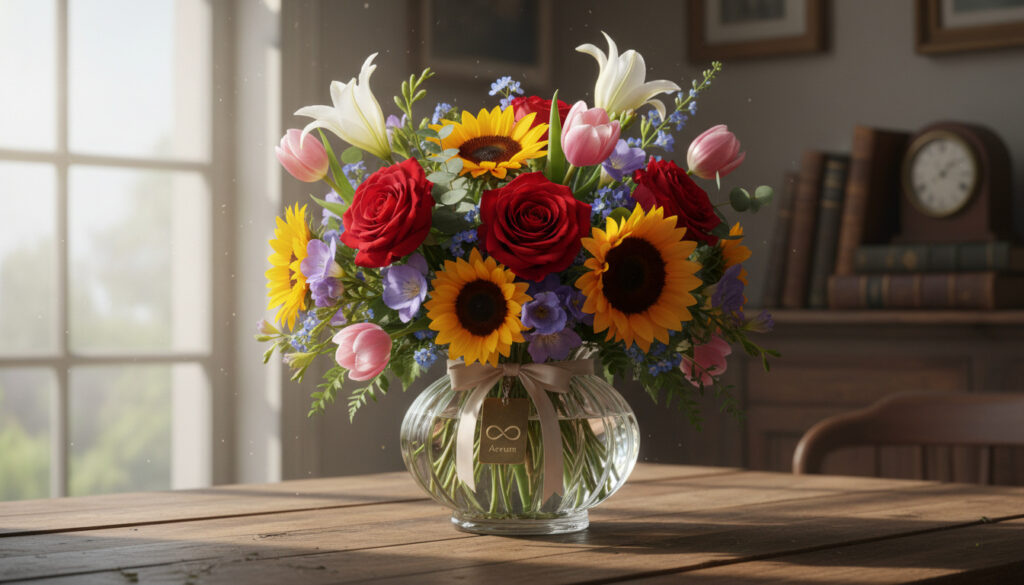
Bouquet of Flowers – Types, Meanings and Buying Guide
A bouquet of flowers represents far more than a simple collection of blooms. These curated arrangements, whether hand-tied with ribbon or displayed in elegant vases, serve as visual language communicating emotions ranging from romantic love to sympathy. The practice of arranging flowers dates back millennia, with specific blossoms and colors carrying distinct meanings that vary across cultures and occasions.
Modern bouquets blend aesthetic appeal with symbolic depth. From casual wildflower clusters to formal rose arrangements, each composition requires thoughtful selection of stems, colors, and presentation styles. Understanding these elements helps both gift-givers and recipients appreciate the full message embedded within every petal.
Contemporary floristry encompasses diverse styles and price points, from budget-friendly carnation bunches to luxury mixed arrangements exceeding one hundred dollars. The choice between a structured bouquet and a simple bunch often depends on the formality of the event and the specific sentiment being expressed.
What Is a Bouquet of Flowers?
At its essence, a bouquet constitutes a curated assembly of flowers, typically secured with twine or ribbon for hand-tied presentations or arranged within glass, ceramic, or luxury vases for immediate display. This distinguishes it from a loose bunch, which lacks formal binding and structured presentation. Bouquets emphasize intentional design and symbolic messaging through specific flower types and color combinations.
Definition
A curated arrangement of blooms, often tied or placed in a vase, designed to convey specific emotions through botanical selection and color theory.
Popular Types
Hand-tied bouquets featuring natural, casual arrangements and polished vase arrangements suited for formal celebrations or sympathy gestures.
Common Meanings
Romantic love (red roses), purity and sympathy (white lilies), admiration (pink carnations), and happiness (sunflowers).
Average Cost
Standard arrangements range from $20 to $100+ USD depending on flower selection, size, and regional availability, with vase additions increasing price.
- Red roses specifically denote romantic love and passion, making them predominant for anniversaries and Valentine’s celebrations.
- Hand-tied styles work best for casual gifting and home decor, while vase arrangements suit birthdays, sympathy occasions, and formal celebrations.
- Carnations and sunflowers provide cost-effective, long-lasting alternatives to premium blooms, particularly in markets like Kenya where local varieties remain budget-friendly.
- The practice of floriography, or the language of flowers, originated in ancient Greece and Rome, where roses were linked to Aphrodite and Venus.
- Victorian societies refined flower symbolism into a coded messaging system for expressing sentiments that could not be spoken aloud.
- Locally grown flowers, such as Kenyan carnations and sunflowers, reduce carbon footprint compared to imported blooms.
- Baby’s breath functions as a versatile filler flower, symbolizing everlasting love and frequently appearing in wedding arrangements alongside roses and lilies.
| Aspect | Details |
|---|---|
| Core Definition | Curated floral assembly, tied or vased, conveying symbolic meaning |
| Primary Styles | Hand-tied (casual) and vase arrangements (formal) |
| Price Range | $20–$100+ USD; hand-tied typically cheaper than vased |
| Longevity | Lilies and carnations last longest with proper care |
| Popular Varieties | Roses, lilies, carnations, sunflowers, tulips, daisies |
| Color Symbolism | Red (love), white (purity/sympathy), pink (admiration), yellow (friendship) |
| Historical Origins | Ancient Greece/Rome through Victorian floriography |
| Sustainability Factor | Local sourcing reduces environmental impact significantly |
The distinction between a rose bouquet and a simple bunch carries practical significance. A rose bouquet represents a structured arrangement—either hand-tied or placed in a vase—emphasizing romantic unity through deliberate color mixing, such as combining red and white roses. Conversely, a bunch implies a looser, casual cluster without formal tying, typically suited for everyday joy or friendship rather than formal ceremonies.
Types of Flower Bouquets
Floral arrangements fall into distinct categories based on construction method and intended use. Each style serves different aesthetic and functional purposes, influencing both the presentation and the recipient’s experience.
Hand-Tied Bouquets
Hand-tied arrangements feature stems arranged naturally and secured with ribbon or twine, creating an organic, unstructured appearance. This style accommodates peonies, garden roses, and wildflowers effectively, making it ideal for casual gifting and home decoration. The lack of rigid framework allows for easier transport and informal presentation.
Vase Arrangements
Vase arrangements arrive polished and ready for immediate display, utilizing glass, ceramic, or luxury containers. These compositions suit birthdays, sympathy gestures, and formal celebrations where presentation quality remains paramount. The container adds stability and extends display life through adequate water retention.
Selecting Optimal Flowers
Roses dominate romantic contexts, while lilies provide elegance and renewal symbolism suitable for both celebrations and somber occasions. Carnations offer affordability and longevity, working well for graduations and friendship acknowledgments. Sunflowers deliver cheerful messaging for birthdays and recovery wishes, and tulips provide seasonal elegance for apologies and Mother’s Day gifts.
Baby’s breath complements roses and lilies effectively as a filler flower, adding texture while reinforcing themes of everlasting love and innocence in wedding or romantic arrangements.
Bouquet of Flowers Meaning and Symbolism
Specific flowers carry established meanings that transcend mere aesthetic value, creating a lexicon of botanical communication that varies by color and cultural context.
Flower-Specific Meanings
Roses convey love, passion, and gratitude, with red varieties specifically representing romantic attachment appropriate for anniversaries and Valentine’s Day, while pink expresses admiration and white signifies purity or new beginnings suitable for weddings. White lilies denote elegance and sympathy, frequently appearing at funerals, whereas vibrant Asiatic lilies suit birthdays and housewarmings. Carnations communicate admiration and good luck, with red indicating admiration and white representing pure love. Sunflowers embody happiness and positivity, making them appropriate for get-well wishes and friendship celebrations.
Color Significance
Color symbolism operates universally across multiple flower types. Red consistently represents passion and love, white denotes purity and sympathy, pink conveys grace and admiration, yellow signifies joy and friendship (though occasionally jealousy in specific contexts), lavender suggests elegance, and orange radiates energy. These color meanings allow for nuanced messaging even when using the same flower type.
The Victorian era elevated flower symbolism into floriography—a coded system allowing secret communication through bouquet composition. Practices rooted in ancient Greek and Roman traditions associated roses with Aphrodite and Venus, establishing enduring connections between specific blooms and emotional concepts.
Flower meanings vary significantly across cultures. While white lilies signify sympathy in Western traditions, tulips serve as emblematic of Holland, and Chinese azalea represents womanhood. The Incas worshipped sunflowers as sun symbols, and royal English weddings traditionally include myrtle for constancy.
How to Arrange or Make a Bouquet of Flowers
Creating a professional-quality arrangement requires attention to stem preparation, color coordination, and structural balance.
Selection and Preparation
Begin by selecting flowers that match the intended occasion’s emotional tone—red roses for romantic love, for example. Trim stems at a 45-degree angle to maximize water absorption, and remove all foliage below the waterline to prevent bacterial growth and maintain hygiene. This preparation extends vase life significantly.
Construction Techniques
Start with focal flowers such as roses or lilies as the arrangement’s center, then add filler flowers like baby’s breath for texture and greenery for depth. Secure hand-tied bundles with ribbon or twine, or place directly into prepared vases. Mixed colors create layered messages—combining pink and yellow conveys gratitude, while incorporating specific symbolic blooms like forget-me-nots communicates true love through floriography traditions. For a comprehensive overview of floral choices, consult the M&S flowers 2025 guide at M&S flowers 2025 guide.
For those seeking structured guidance, the July 2025 Calendar – Free Printable PDF with Holidays can help plan seasonal flower availability and gifting occasions.
Best Bouquets for Occasions and Buying Guide
Matching bouquet selection to specific events ensures appropriate messaging and recipient satisfaction.
Occasion-Specific Recommendations
Birthdays call for vibrant lilies, sunflowers, or daisies projecting joy and celebration. Romantic occasions and anniversaries favor red roses or tulips expressing deep affection. Sympathy events require white lilies or carnations conveying respect and renewal. Weddings traditionally incorporate baby’s breath and white roses for purity, while baby showers suit daisies symbolizing innocence and new beginnings. Apologies benefit from purple hyacinths or tulips representing forgiveness, and thank-you gestures work well with pink roses.
Pricing and Delivery Considerations
Standard bouquets typically range from $20 to $100 or more depending on flower rarity and arrangement complexity. Hand-tied options generally cost less than vased arrangements due to reduced material requirements. Delivery services remain common for birthdays and sympathy occasions, though specific pricing varies by region and season. Kenyan markets demonstrate how locally grown carnations and sunflowers provide budget-friendly alternatives to imported luxury blooms.
The Historical Evolution of Floral Arrangements
The practice of arranging flowers carries deep historical roots spanning civilizations and centuries.
- Ancient Greece and Rome: Roses became associated with Aphrodite and Venus, establishing foundational connections between flowers and concepts of love and beauty.
- Inca Civilization: Sunflowers received worship as symbols of the sun, embedding their association with warmth and positivity into cultural memory.
- Victorian Era: Floriography reached its peak as a coded messaging system, allowing secret communication through carefully selected bouquet compositions.
- Royal English Traditions: Wedding ceremonies incorporated myrtle to symbolize constancy and enduring marriage.
- Modern Commercial Practice: Global trade expanded availability while local sourcing movements emphasized sustainability and reduced carbon footprints.
Established Symbolism vs. Cultural Variations
While certain flower meanings remain consistent across Western contexts, significant variations exist globally.
Well-Established Meanings
- Red roses universally signify romantic love in Western traditions
- White lilies consistently represent purity and sympathy
- Pink carnations denote admiration and maternal love
- Yellow sunflowers convey happiness and positivity
- Red tulips declare love specifically
Context-Dependent Interpretations
- Yellow flowers occasionally signify jealousy rather than friendship
- Chrysanthemums carry funeral associations in some European cultures but represent joy in others
- White flowers symbolize purity in Western weddings but death in some Asian traditions
- The intensity of color symbolism varies by regional floriography practices
- Specific flower availability influences local symbolic associations
Cultural Perspectives on Flower Giving
Different cultures attach unique significance to botanical gifts. In Kenya, local carnations and sunflowers provide accessible, budget-friendly options for everyday gifting. Dutch culture elevates tulips to national symbolism, while Chinese tradition associates azaleas with womanhood. Royal English weddings maintain ancient practices by including myrtle for marital constancy. These variations demonstrate that while flower giving remains universal, specific meanings require cultural awareness to avoid miscommunication.
Understanding these distinctions proves crucial when selecting arrangements for international recipients or multicultural celebrations. The Weeks in a Year – Exact Count for Common and Leap Years provides additional context for planning seasonal celebrations across different calendar systems.
Expert Perspectives on Floral Symbolism
Reputable florists emphasize historical accuracy and thoughtful selection when creating meaningful arrangements.
“Incorporating floriography into contemporary arrangements allows gift-givers to communicate complex emotions through carefully chosen combinations. Red and white roses mixed together symbolize unity, while specific fillers like baby’s breath reinforce messages of everlasting love.”
“Historical accuracy matters when explaining flower meanings to customers. The Victorian language of flowers wasn’t arbitrary—it evolved from ancient Greek associations and was codified over centuries of use.”
Key Takeaways on Choosing and Using Flower Bouquets
Selecting an appropriate bouquet requires balancing aesthetic preferences with symbolic accuracy, occasion suitability, and budget constraints. Hand-tied arrangements suit casual exchanges, while vased presentations fit formal events. Understanding color symbolism—red for passion, white for purity, pink for admiration—ensures accurate emotional communication. For maximum longevity, choose lilies or carnations, maintain daily water changes, and avoid placing arrangements near ripening fruit or direct sunlight. Whether purchasing from local florists or assembling DIY creations, the most impactful bouquets combine visual beauty with culturally appropriate, historically grounded symbolism.
Frequently Asked Questions
How long does a typical bouquet last?
With proper care including daily water changes, trimming stems at 45-degree angles, and adding flower food preservatives, lilies and carnations last longest. Most fresh arrangements maintain quality for one to two weeks when kept away from direct sunlight and ethylene-producing fruit.
Can I create a bouquet without traditional flowers?
Yes, dried grasses, herbs, and foliage can form alternative arrangements, though these lack the traditional symbolic language of fresh blooms. Such compositions work for modern aesthetics but may not convey specific emotional meanings like roses or lilies.
What makes a bouquet more expensive than a bunch?
Formal bouquets involve structural design, binding materials, and often vase inclusion. The curation process, professional arrangement labor, and presentation materials justify higher costs compared to loosely gathered bunches sold without binding or containers.
Are there flowers I should avoid for specific occasions?
White lilies suit sympathy events but may appear too solemn for birthdays. Yellow flowers occasionally carry jealousy connotations in specific contexts. Researching cultural associations prevents unintended messaging, particularly for international recipients.
How do I choose between hand-tied and vase arrangements?
Select hand-tied for casual gifting, transportability, and home decoration. Choose vase arrangements for immediate display at formal events, sympathy occasions, or when the recipient lacks suitable containers.
More related posts
 Sunday Rose Kidman-Urban: Biography, Career, and Family News
 Is MSG Bad for You? Facts from FDA, Harvard & Mayo Clinic
 Rhys Bellinge jailed 10 years for fatal drunk driving crash
 Bukayo Saka: Biography, Religion, GCSEs, Salary, Personal Life
 Rooftop Bars Sydney – Top Views, Deals and Late-Night Spots
 Usman Khawaja: Age, Net Worth, Family & Pilot License
 Maya Joint: Why She Wears Sunglasses and Her Meteoric Rise
