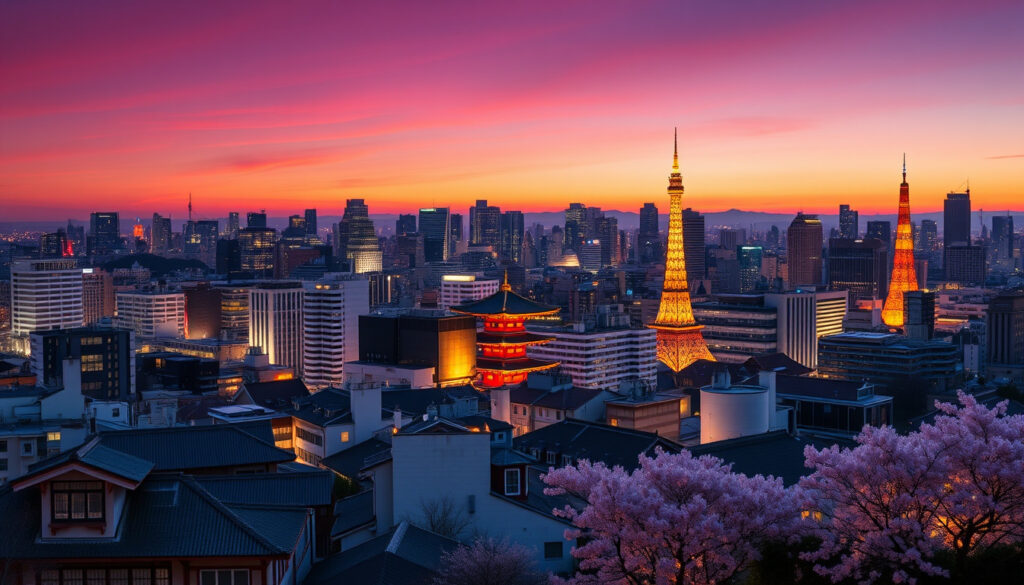
Where to Stay in Tokyo – Best Neighborhoods by Traveler Type
Choosing where to stay in Tokyo can feel overwhelming given the city’s sheer scale and diversity. With over 20 distinct ward areas and accommodation options ranging from capsule hostels to luxury five-star properties, first-time visitors and returning travelers alike benefit from understanding what each neighborhood actually offers. This guide breaks down Tokyo’s most visitor-friendly districts, organized by traveler type, budget level, and specific interests.
Tokyo operates as a collection of interconnected neighborhoods rather than a single unified city center. Each area has developed its own character, transit connections, and accommodation style over decades. Shinjuku draws those seeking nightlife and convenience, while Asakusa attracts visitors interested in traditional temples and old-town atmosphere. Understanding these distinctions helps travelers select a base that aligns with their priorities rather than accidentally booking in an area that creates unnecessary commute time or mismatched experiences.
Best Neighborhoods to Stay in Tokyo
Three neighborhoods consistently emerge as top recommendations across travel publications and visitor reviews: Shinjuku, Shibuya, and Asakusa. These areas represent different facets of Tokyo and each offers distinct advantages depending on what a traveler hopes to experience during their stay.
The four main categories for Tokyo accommodation include budget options concentrated in Asakusa and Ueno featuring ryokans and hostels, mid-range choices in Shinjuku and Shibuya with hotels and apartments, luxury properties in Ginza and Roppongi offering five-star service, and family-oriented stays near Disneyland or quieter suburban areas.
Understanding Tokyo’s Neighborhood Layout
Tokyo’s urban structure centers around the JR Yamanote Line, a major circular railway that connects most visitor-relevant neighborhoods. Areas lying on or near this line—Shinjuku, Shibuya, Tokyo Station, Ueno, and Ikebukuro—offer the most convenient access for sightseeing. Neighborhoods positioned further from this loop, such as Asakusa on the Asakusa Line or Yanaka on the Chuo Line, require additional transfers but often reward visitors with more authentic local atmosphere and lower accommodation prices.
The city’s layout means that staying anywhere with reasonable transit access puts most major attractions within reasonable reach. However, choosing a neighborhood that matches your primary interests reduces daily commute fatigue and creates more immersive experiences. A visitor focused on shopping and dining should prioritize Shibuya or Ginza, while someone interested in temples and traditional crafts will find Asakusa more suitable.
- Shinjuku and Shibuya command the highest accommodation prices due to central location and transit hub status
- Asakusa and Ueno offer lower rates while maintaining excellent access to central Tokyo via multiple subway lines
- Ginza provides luxury accommodations in a sophisticated setting with premium pricing to match
- Outer neighborhoods like Nakameguro and Shimokitazawa suit visitors seeking local experiences away from tourist crowds
- Near-airport areas like Narita and Haneda offer budget options but add significant commute time to central attractions
| Neighborhood | Best For | Vibe | Price Range | Transport |
|---|---|---|---|---|
| Shibuya | Second-timers, west Tokyo exploration | Trendy, busy | ¥¥¥ | Excellent |
| Akihabara | Geeks, gamers | Frenetic, unique | ¥¥ | Good |
| Asakusa | Cultural experiences, couples | Traditional, calm | ¥¥ | Good |
| Shinjuku | First-timers, nightlife | Electric, intense | ¥¥¥ | Excellent |
| Ueno | Museum-goers, value travelers, families | Relaxed, local | ¥¥ | Good |
| Ginza | Upscale shopping, fine dining | Sophisticated | ¥¥¥ | Excellent |
| Ebisu | Solo travelers, couples | Refined, elegant | ¥¥¥ | Good |
Where to Stay in Tokyo for First-Time Visitors
For visitors experiencing Tokyo for the first time, Shinjuku stands out as the most practical choice. The neighborhood sits on the JR Yamanote Line and offers direct connections to major attractions, shopping districts, and entertainment venues. Hotels in Shinjuku range from compact business options to international chains, accommodating various budget levels within a centrally located base. Visitors can explore nearby attractions like the Shinjuku Gyoen National Garden during their stay.
Why Shinjuku Works for Newcomers
Shinjuku Station handles over three million passengers daily, making it one of the world’s busiest railway hubs. This volume translates into extensive transit options—over a dozen train lines serve the station, connecting visitors to every corner of the metropolitan area. The surrounding neighborhood offers shopping opportunities ranging from department stores like Isetan to electronics retailers in the southern exit area. Dining options span from inexpensive conveyor belt sushi to upscale restaurants spanning dozens of floors in buildings like the Takashimaya Times Square complex.
The area maintains an electric, intense atmosphere that introduces visitors to Tokyo’s energetic character. Neon signs illuminate streets well into the night, street food vendors operate in designated areas, and the Golden Gai district offers intimate bar-hopping experiences in narrow alleys lined with tiny establishments seating fewer than ten patrons each. Kabukicho, Tokyo’s most famous entertainment district, provides access to theaters, arcades, and dining without the adult entertainment elements that sometimes concern visitors doing basic research.
Travelers who find Shinjuku’s intensity off-putting should consider Ueno instead. This neighborhood offers a less overwhelming introduction to Tokyo while maintaining excellent transit connections and adding access to Ueno Park, multiple museums, and the Ameyoko shopping street. Ueno proves particularly suitable for families with children who may find Shinjuku’s sensory intensity challenging.
Shibuya for Returning Visitors
Second-time visitors often find Shibuya more suited to their interests than Shinjuku. The neighborhood sits west of center and provides convenient access to Yoyogi Park, Meiji Shrine, and the upscale shopping street of Omotesando. Shibuya Station serves as a major transit hub with multiple lines connecting to Harajuku, Daikanyama, and Ebisu, allowing visitors to explore trendy neighborhoods on foot and by train.
Ebisu offers a refined alternative for travelers seeking a quieter base. The neighborhood features stylish cafes, quality restaurants, and a more relaxed atmosphere than its busier neighbors while maintaining excellent rail connections through the Yamanote Line. Couples and solo travelers often appreciate Ebisu’s balance of accessibility and calm, particularly when staying near the station area rather than deeper into residential streets.
Budget-Friendly Places to Stay in Tokyo
Tokyo accommodation prices have increased in recent years, but budget-conscious travelers still find viable options by selecting neighborhoods strategically and understanding what lower price points typically include. Rooms in the ¥5,000-¥10,000 range per night require compromises on space—often under 15 square meters—even at business hotels. Capsule hotels and hostels offer lower rates starting around ¥2,000-¥3,000 for dormitory-style accommodations.
Affordable Neighborhoods for Budget Stays
Asakusa stands out for budget travelers seeking cultural atmosphere alongside reasonable prices. The neighborhood hosts numerous ryokans offering traditional Japanese accommodations at rates competitive with standard hotels. Many of these properties feature tatami rooms, shared bathing facilities, and included breakfast—experiences typically considered luxury amenities elsewhere in Tokyo. Visitors booking Asakusa ryokans report genuinely unique stays that provide cultural value beyond simple overnight accommodation.
Ueno similarly offers budget advantages through its concentration of business hotels and proximity to transportation. The neighborhood’s relaxed, local character attracts value-conscious travelers who prefer avoiding tourist-centric areas. Hotels near Ueno Station provide straightforward access to the Yamanote Line while offering rates typically 15-25% lower than equivalent properties in Shinjuku or Shibuya.
Understanding Tokyo Price Ranges
The yen symbol system used throughout Tokyo helps visitors quickly assess neighborhood price levels. A single yen symbol (¥) indicates budget establishments and basic accommodations, while three symbols (¥¥¥) denote luxury options. Most visitor-relevant areas fall into the ¥¥ range—mid-range that may still surprise Americans and Europeans accustomed to different pricing structures in their home countries.
Seasonal fluctuations affect accommodation prices significantly. Peak periods including cherry blossom season (late March to early April), Golden Week (late April to early May), and the autumn foliage season (November) see rates increase 20-40% above baseline. Booking during these periods requires advance reservations—often three to six months ahead—to secure reasonable options at any price level. Summer months offer more availability and lower rates, though humidity and typhoon risk create different considerations.
Family-Friendly and Specialized Stays in Tokyo
Families visiting Tokyo with children face different accommodation considerations than solo travelers or couples. Space requirements, proximity to entertainment destinations, and the need for manageable transit routes shape optimal neighborhood selection. Those with specific interests—nightlife, gaming culture, luxury shopping—may prioritize different areas entirely.
Neighborhoods Suited for Families
Families visiting Tokyo Disneyland should consider accommodation in Urayasu, the city immediately adjacent to the theme park. This area offers numerous family-oriented hotels, many featuring character-themed rooms and packages that include park admission. The commute to Disneyland takes fifteen to twenty minutes by train from central Tokyo, making day trips feasible while enjoying lower accommodation costs than Disney’s own properties.
Ueno works well for families preferring central accommodation. The neighborhood offers Ueno Park with spacious outdoor areas, multiple museums with child-appropriate exhibits, and the Tokyo Zoo. Hotels in Ueno typically provide more square footage than equivalents in busier areas, and the Ameyoko shopping street offers family-friendly retail without the overwhelming scale of Shinjuku’s department stores.
Akihabara serves visitors focused on electronics, anime, and gaming culture. The neighborhood features multi-floor arcades, retro game stores, manga cafes where visitors can rent private viewing rooms, and department stores specializing in components and devices. Akihabara’s energy is frenetic during daylight hours but becomes surprisingly quiet at night as stores close. Gamers and tech enthusiasts often prefer staying within walking distance of the action rather than commuting from distant neighborhoods.
Luxury Accommodation in Tokyo
Ginza provides Tokyo’s answer to Fifth Avenue or Oxford Street—upscale shopping malls, luxury brand boutiques, and high-end hotels characterize the neighborhood. The main shopping street, Chuo Dori, becomes a pedestrian-only zone on Sundays, creating a pleasant walking environment. Luxury properties in Ginza consistently rank among Japan’s finest, offering service standards that meet international five-star expectations.
Properties like the Tokyu Stay Shimbashi Ginza offer fresh, updated rooms with convenient access to Shimbashi Station (approximately five minutes walk) and proximity to Ginza proper (about fifteen minutes walk). This property type suits travelers seeking modern comfort without Ginza’s premium pricing while maintaining access to the area’s dining and shopping experiences.
Local Experiences in Underrated Areas
Shimokitazawa and Koenji appeal to second or third-time visitors seeking authentic local experiences away from tourist circuits. These neighborhoods feature vintage clothing shops, live music venues, and independent cafes rather than major attractions. Accommodation options are limited compared to major tourist areas, but those who book early find charming guesthouses and small hotels that provide immersion in everyday Tokyo life.
For visitors with longer stays or specific interests, exploring these local neighborhoods reveals aspects of Tokyo that mainstream tourist areas cannot offer. Transit connections require additional transfers, but the tradeoff involves experiencing residential areas where visitors genuinely outnumber tourists.
What to Know Before Booking Your Tokyo Stay
Several practical considerations affect accommodation decisions beyond neighborhood selection. Room sizes in Tokyo hotels typically fall below international standards—a “double room” at a business hotel may measure under 15 square meters. Luxury properties have adjusted room sizes to meet international expectations, but mid-range and budget options often prioritize function over space.
Established Information
- Shinjuku, Shibuya, and Asakusa consistently rank as top three neighborhoods across multiple travel sources
- Transit access strongly correlates with accommodation pricing—areas on the Yamanote Line command premiums
- Ryokans concentrate in Asakusa, offering genuinely unique traditional experiences
- Ginza provides the most sophisticated atmosphere with upscale shopping and dining
- Budget accommodation exists across Tokyo but requires flexibility on space and location
Information Requiring Verification
- Current 2025 pricing reflects post-pandemic tourism recovery and may differ from historical baselines
- New hotel openings continue to change neighborhood dynamics, particularly in Shibuya redevelopment zones
- Olympic legacy effects on accommodation availability and pricing remain uncertain
- Individual hotel quality varies within neighborhoods—reviews should inform specific property decisions
How Tokyo’s Transport Network Shapes Stay Decisions
Understanding Tokyo’s transit system clarifies why certain neighborhoods consistently appear in accommodation recommendations. The JR Yamanote Line forms a roughly rectangular loop connecting most visitor-relevant areas, and proximity to this line correlates strongly with convenience for sightseeing. Stations along the line—Shinjuku, Shibuya, Tokyo, Ueno, Ikebukuro—each offer distinct neighborhood characters while maintaining equivalent transit accessibility.
Beyond the Yamanote, Tokyo’s subway network extends reach to areas not directly served by JR lines. Asakusa connects to central Tokyo via the Ginza and Asakusa subway lines. Odaiba, the waterfront entertainment district, requires specific transit approaches via the Yurikamome automated line or Rinkai Line. Visitors planning extensive Odaiba sightseeing may prefer eastern-area accommodation rather than relying on daily commutes from Shinjuku.
The Japan Rail Pass covers JR lines including the Yamanote but does not include Tokyo Metro or Toei subway systems. Budget-conscious travelers should calculate whether pass costs align with their planned transit usage before assuming the pass represents savings. Short-stay visitors concentrating sightseeing in central areas may find individual subway tickets more economical than the pass cost.
Comparing Accommodation Sources and Credibility
Travel publications and tourism boards offer varying perspectives on Tokyo accommodation. The official Tokyo tourism website provides neighborhood overviews suitable for initial orientation, while travel guides like Lonely Planet offer more detailed experiential descriptions based on author visits. Budget-focused resources like Tokyo Cheapo provide specific pricing data and value assessments that mainstream tourism sites often overlook.
User-generated reviews on platforms like TripAdvisor supplement professional content with recent guest experiences. However, individual reviews reflect specific stays at specific times—patterns across multiple reviews prove more reliable than any single assessment. A hotel receiving mostly positive reviews with occasional complaints about noise likely shares characteristics with other properties in that neighborhood rather than representing an outlier experience.
“Tokyo remains one of the world’s safest cities for visitors regardless of neighborhood selection. Violent crime targeting tourists is exceedingly rare, and the primary safety concerns involve pickpocketing in crowded transit areas and tourist zones—standard urban precautions rather than Tokyo-specific risks.”
Summary: Choosing Your Tokyo Neighborhood
Tokyo accommodation decisions ultimately depend on matching neighborhood characteristics with traveler priorities. First-time visitors benefit from Shinjuku’s central location and transit convenience despite higher prices and intense atmosphere. Those seeking cultural immersion and budget value should examine Asakusa’s ryokan options and traditional atmosphere. Families may prefer Ueno’s relative calm and museum access, while luxury seekers will find Ginza aligned with their expectations.
No single neighborhood perfectly serves all visitor needs. Even within recommended areas, individual properties vary significantly in quality, price, and character. Using neighborhood selection to narrow choices before comparing specific hotels through reviews and photos leads to more satisfying outcomes than either random selection or rigid adherence to generic recommendations.
Those planning broader Japan travel might find our guide to New Zealand Cruise options useful for extending the trip beyond Tokyo, or our exploration of Rooftop Bars Sydney for comparing urban accommodation strategies across different cities.
Frequently Asked Questions
Is Tokyo safe for solo female travelers?
Tokyo ranks among the world’s safest cities for solo travelers. Violent crime targeting tourists is exceedingly rare. Standard urban precautions apply—watching belongings in crowded areas and avoiding poorly lit streets late at night—but the city generally permits confident movement at any hour.
How do I book a ryokan in Tokyo?
Major booking platforms including Booking.com and Japanican feature ryokan options. Asakusa has the highest concentration of ryokans accepting international bookings. Advance reservation is recommended, particularly during peak seasons, as smaller properties have limited room counts.
What is the best time to visit Tokyo for lower accommodation prices?
Summer months (July-August) typically offer lower rates and availability despite humidity concerns. Late January through February represents another lower-demand period. Major events like cherry blossom season, Golden Week, and autumn foliage push prices significantly higher.
Should I stay near Tokyo Disneyland or in central Tokyo?
Families spending multiple days at Disneyland benefit from Urayasu accommodation to minimize daily commutes. Visitors planning equal time between Disneyland and central Tokyo attractions may prefer central accommodation and day trips—the journey from Shinjuku to Disneyland takes approximately 40 minutes by train.
What is the difference between Shinjuku and Shibuya for staying?
Shinjuku offers more intense nightlife, larger hotel selection, and greater transit connectivity. Shibuya provides slightly calmer atmosphere with excellent access to western Tokyo attractions including Harajuku and Meiji Shrine. Both command similar price ranges and quality options.
Are Tokyo hotel rooms very small?
Standard business hotels in Tokyo often feature rooms under 15 square meters. This represents typical Japanese urban accommodation design rather than budget properties specifically. Luxury hotels have expanded room sizes to meet international expectations, while capsule hotels and hostels offer even smaller individual spaces at correspondingly lower prices.
Which airport should I fly into for easiest access to central Tokyo?
Narita Airport sits farther from central Tokyo (60-90 minutes by train) but offers more international flight options. Haneda Airport provides faster access (15-30 minutes) to central areas but primarily serves Asian routes and some domestic connections. Most visitors from North America and Europe fly into Narita.
More related posts
 Arthur Guinness Real Story vs Netflix: Facts & Fiction
 Tash Peterson: Activist, Arrests, Bankruptcy & OnlyFans
 Daryl McCormack: Biography, Ethnicity, Height, and Career
 Sweet and Sour Sauce: Easy 4-Ingredient Recipe in 5 Minutes
 JustWatch AU: Your Free Streaming Guide for Movies & TV Shows
 Kourtney Kardashian: Family, Health Scare & Autosexual Rumors
 Photo to PDF: Free Converters Online and iPhone Apps
 Sam Wood: From Bachelor Star to Fitness Empire
